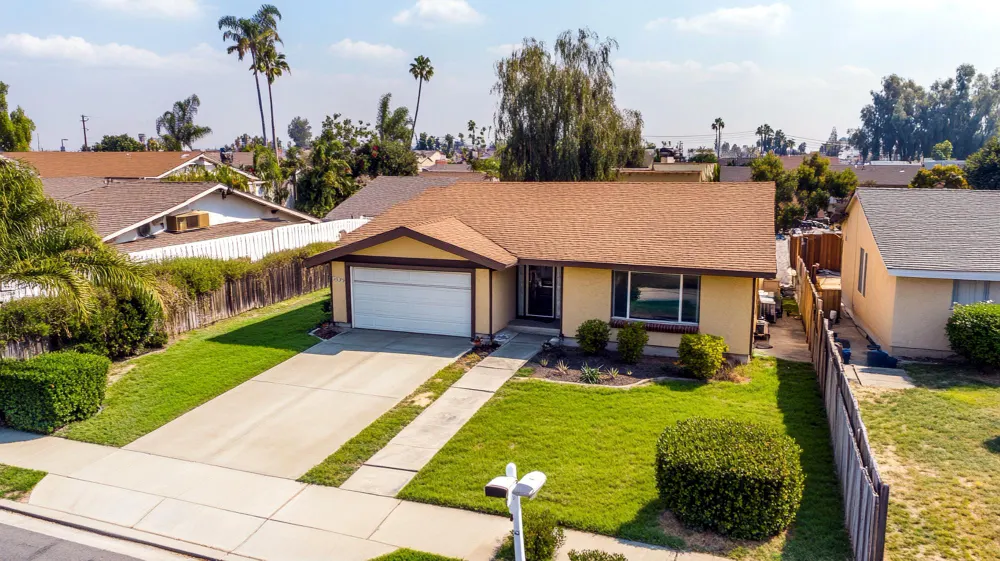
Buying your first home is exciting, but it can also feel overwhelming because there are a lot of moving parts. The good news is the process is very structured. When you understand the steps, you can make confident decisions and avoid surprises.
Below is a clear, practical roadmap for first time buyers in Houston and the surrounding areas.
Step 1: Choose the right buyer’s agent
Before you tour homes, start by choosing an agent you trust. Your buyer’s agent represents you and has a fiduciary duty to protect your interests, negotiate for you, and keep your information confidential. This is different from the listing agent, who represents the seller.
What I do for you at this stage:
- Clarify your goals, timeline, and budget
- Explain the full process so you know what to expect
- Help you build a smart plan so you do not waste time touring the wrong homes
Step 2: Get pre approved (not just pre qualified)
Pre approval is one of the most important steps because it shows what you can realistically afford and helps you compete when you find the right home. A pre approval is stronger than a pre qualification because the lender typically verifies your information with documents, not just estimates.
What you will typically need for pre approval:
- Government issued ID and Social Security information
- Two years of address and employment history
- Recent pay stubs plus W 2s and tax returns (as applicable)
- Bank statements and documentation of assets
- A list of monthly debts and payment obligations
Smart questions to ask your lender:
- What loan programs fit my situation and down payment goals
- What is my estimated monthly payment (principal, interest, taxes, insurance, and HOA if applicable)
- What are my estimated closing costs and cash needed to close
- How does the lender handle rate locks and what is the typical timeline
Big mistakes to avoid during the loan process:
- Do not change jobs or make major career moves without discussing it with your lender
- Do not open new credit lines or finance large purchases
- Do not move large sums of money between accounts without guidance
- Confirm wire instructions by phone using trusted numbers before you send funds
Step 3: Start the home search with a clear plan
Once you are pre approved, we begin the home search. The key is to be clear about your priorities so we can tour efficiently.
We will define:
- Must haves (non negotiables)
- Deal breakers (things you do not want)
- Nice to haves (bonus features if possible)
You will see homes through MLS search alerts and showings that match your criteria. When a home is not a fit, we move on quickly.
Houston tip: Always pay attention to flood history and flood insurance considerations. Even properties outside a mapped flood zone may have risk, so it is worth reviewing the facts early.
Step 4: Write an offer and negotiate terms
When you find the right home, we craft an offer based on the home’s condition, comparable sales, market activity, and your comfort level.
Key terms we will discuss include:
- Offer price
- Earnest money (deposit that is generally refundable if you follow contract timelines and contingencies)
- Option fee and option period (option fee is typically not refundable, option period is your time to inspect and decide)
- Inspection timeline and any additional inspections you want
- Closing date and possession timing
- Closing costs and seller concessions (if requested)
- Included and excluded items (appliances, fixtures, or specific personal property)
- Survey and title policy details
First time buyer tip: Winning is not only about price. Clean terms, strong financing, and a realistic timeline can make your offer more attractive.
Step 5: Under contract (the timeline begins)
Once the seller accepts your offer, you are under contract. The next few days are usually the busiest because several deadlines start immediately.
Typical early tasks:
- Deliver earnest money by the contract deadline
- Schedule inspections during the option period
- Submit requested lender documents quickly so your loan stays on track
Closings are often around 30 to 45 days after the contract is executed, but timelines can vary depending on financing and the transaction details.
Step 6: Inspections and repair negotiations
Inspections help you understand the home’s condition before you fully commit. They are not required, but they are strongly recommended.
Common inspections include:
- General home inspection
- Termite or wood destroying insect inspection
- Mold or air quality testing (if needed)
- Specialty inspections for plumbing, HVAC, roof, or foundation (as needed)
- Pool inspection (if applicable)
After the inspection, you typically have three paths:
- Accept the home as is
- Terminate during the option period and continue your search
- Request repairs or a credit and negotiate with the seller
A good negotiation strategy focuses on health and safety items, major systems, and significant defects, rather than purely cosmetic preferences.
Step 7: Final details (appraisal, underwriting, title, insurance)
As you get closer to closing, several items happen in parallel.
What to expect:
- Appraisal (for most mortgage loans) to confirm the home’s value aligns with the purchase price
- Underwriting, where the lender verifies documents and finalizes loan approval
- Title work to confirm ownership and clear title, plus preparation of closing documents
- Homeowners insurance setup so your lender can clear you to close
Important: Keep your financial picture stable during this stage. Avoid opening new credit, changing employment, or moving money around without guidance.
Step 8: Closing day and getting the keys
Before closing, you will receive a Closing Disclosure that outlines the final loan terms and costs. Review it carefully and ask questions early.
You will also complete a final walk through, usually within 24 hours of closing, to confirm the home is in the expected condition and agreed items are completed.
Bring to closing:
- Unexpired government issued ID
- Any funds needed to close, sent using verified wire instructions or other approved method
- If you are legally married, ask your title company and lender if your spouse should attend, even if they are not on the loan
At closing, you sign, funds are transferred, and you receive possession according to the contract. In many cases, you get the keys the same day.
Quick first time buyer checklist
- Choose a buyer’s agent
- Get pre approved
- Define must haves, deal breakers, and nice to haves
- Tour homes and select the right one
- Write an offer and negotiate terms
- Go under contract and deliver earnest money
- Complete inspections and negotiate repairs if needed
- Finish appraisal, underwriting, title work, and insurance
- Review Closing Disclosure, complete final walk through, and close
Want a simple game plan for your first purchase?
If you are planning to buy your first home in Houston or the surrounding areas, I can guide you through each step, help you avoid common mistakes, and negotiate to protect your investment.
Contact me to create a first time buyer plan tailored to your budget, timeline, and preferred neighborhoods.